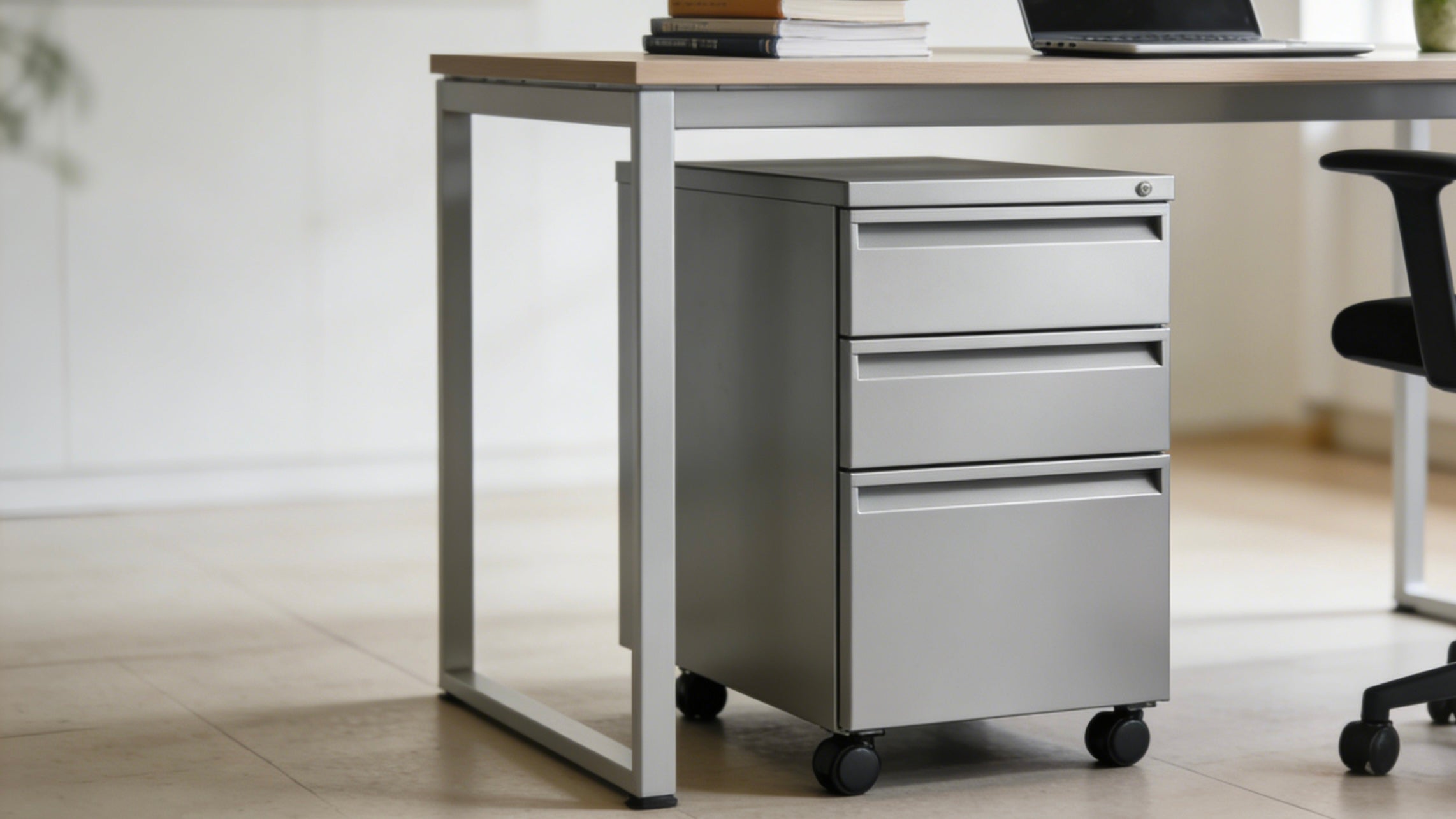
Steel Furniture vs Wooden Furniture: Which Is Better for Commercial Use?
Industry Overview
When choosing furniture for offices, schools, or commercial spaces, buyers often compare steel furniture with traditional wooden furniture. Each material has its own advantages, but in recent years, steel furniture has gained increasing popularity in global markets.
This shift is mainly driven by durability, cost efficiency, and long-term performance.
Durability and Strength
One of the key differences between steel and wooden furniture is durability.
Steel furniture, especially made from cold-rolled steel, offers superior strength and resistance to daily wear. It is less likely to crack, warp, or be damaged over time.
In contrast, wooden furniture can be affected by moisture, temperature changes, and long-term use, which may lead to deformation or surface damage.
For high-traffic environments such as schools and offices, durability is a critical factor.
Maintenance and Lifespan
Steel furniture requires minimal maintenance. With electrostatic powder coating, it is resistant to scratches, corrosion, and stains.
Wooden furniture, while visually appealing, often requires more care, including protection from water, regular cleaning, and sometimes repairs.
Over time, steel furniture typically offers a longer service life with lower maintenance costs.
Cost Efficiency for Bulk Projects
For large-scale procurement, cost efficiency is a major consideration.
Steel furniture is highly suitable for mass production, ensuring consistent quality across large orders. Its durability also reduces replacement frequency, lowering long-term costs.
Wooden furniture may have higher maintenance and replacement costs over time, especially in heavy-use environments.
Design and Modern Aesthetics
Modern steel furniture is no longer limited to industrial styles. With advanced manufacturing and coating technologies, steel furniture now offers:
- Smooth matte finishes
- Various color options (RAL / Pantone)
- Clean and minimalist designs
This allows steel furniture to fit into modern offices, schools, and even home workspaces.
Wooden furniture still holds advantages in traditional or decorative settings, but steel furniture is catching up in terms of design flexibility.
Sustainability and Environmental Impact
Sustainability is becoming an important factor in purchasing decisions.
Steel furniture is recyclable and has a longer lifespan, reducing waste over time. Many manufacturers also use environmentally friendly coating processes.
Wooden furniture depends on timber resources, and its sustainability depends on sourcing and production practices.
Conclusion
Both steel and wooden furniture have their own advantages, but for commercial use, steel furniture stands out in terms of durability, maintenance, and cost efficiency.
As global demand continues to grow for reliable and long-lasting furniture solutions, steel furniture is becoming the preferred choice for offices, schools, and large-scale projects.



Laisser un commentaire
Ce site est protégé par hCaptcha, et la Politique de confidentialité et les Conditions de service de hCaptcha s’appliquent.