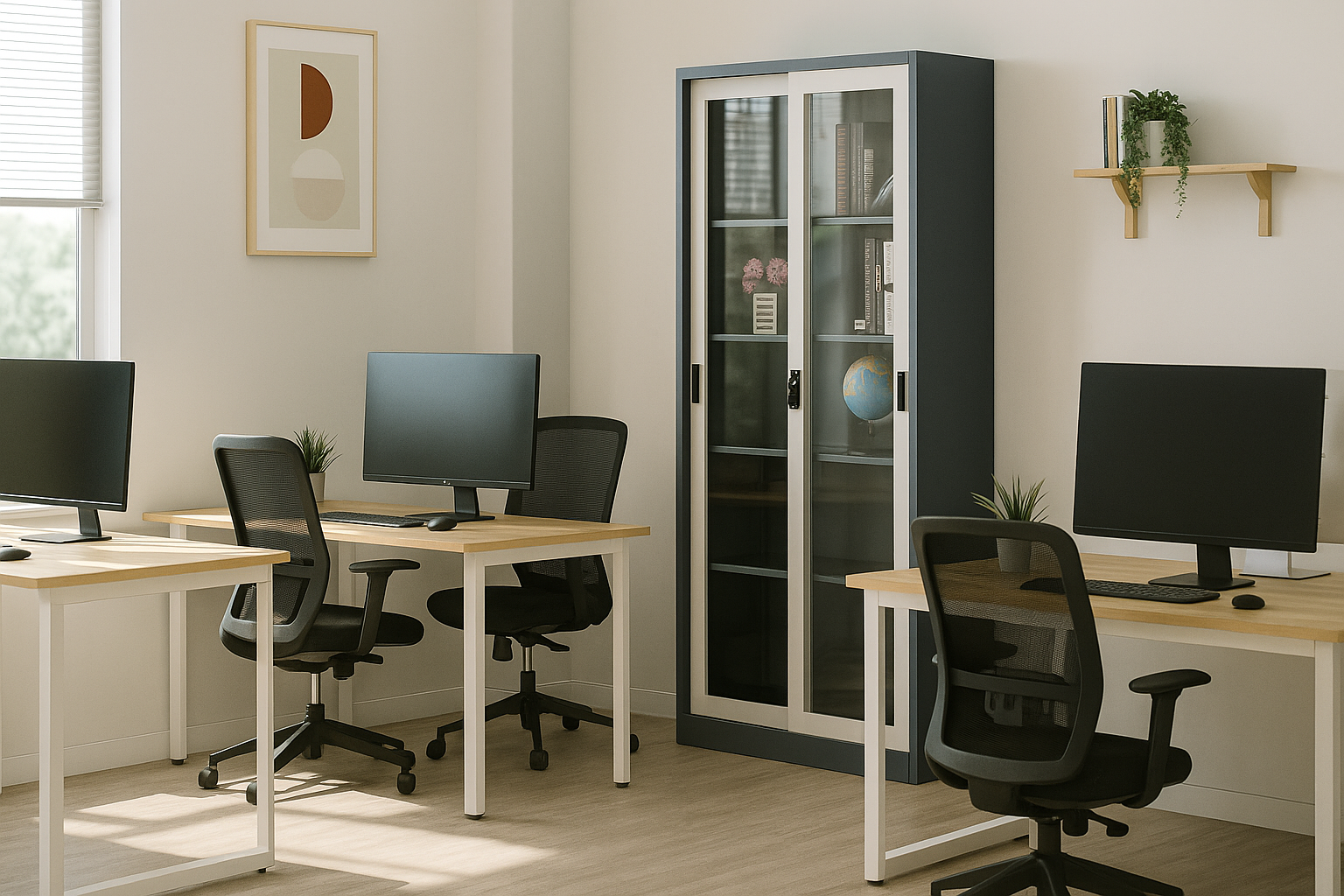
Industry Insight: Category Growth in Steel Storage and Multi-Purpose Metal Furniture
The steel furniture category—especially steel storage cabinets, multi-purpose metal shelving, and modular steel units—has entered a new phase of accelerated growth in 2024–2025. Driven by expanding use cases across home, office, commercial, and institutional environments, the category is shifting from traditional “industrial-only” perception into a mainstream, design-oriented segment.
1. Cross-Category Demand Is Reshaping Market Momentum
Unlike previous years when steel cabinets were mainly purchased for offices or warehouses, today’s buyers treat steel furniture as a multi-scene, long-term investment. This shift is fueled by:
-
Growing interest in minimalist interiors.
-
A rising expectation of durability and low maintenance.
-
Multi-functional use cases such as entryway storage, laundry organization, pantry cabinets, and home office setups.
As consumers evaluate products across different categories (office, home, garage, utility, education), steel cabinets often outperform MDF and plastic alternatives due to longevity and load-bearing strength. This cross-category flexibility is directly contributing to expansion of the entire segment.
2. Home Use Now Represents the Fastest-Growing Subcategory
Homeowners are increasingly adopting steel cabinets for areas like living rooms, laundry rooms, kitchens, basements, and personal workspaces. Several trends drive this growth:
-
High demand for “clutter-free” storage solutions.
-
Preference for clean lines, neutral colors, and simple silhouettes that complement modern homes.
-
Concerns about moisture, pests, and long-term stability—areas where steel significantly outperforms wood.
This “migration from office-only to home-friendly” is broadening the customer base and accelerating category growth.
3. Commercial & Institutional Expansion Remains Strong
Despite the rise of home applications, demand within public spaces remains a critical engine for category growth. Schools, libraries, hospitals, shared offices, government facilities, and coworking hubs continue increasing their use of steel cabinets due to:
-
High traffic and heavy usage environments.
-
Strict requirements for safety and long-term durability.
-
The need for secure storage solutions with minimal maintenance.
Many procurement departments prefer steel due to predictable lifespan, standardized sizing, and stable replacement cycles—further stabilizing the category’s commercial demand.
4. Product Innovation Strengthens the Competitive Landscape
Modern steel cabinets are no longer limited to heavy industrial designs. Brands are pushing innovation in:
-
Foldable or tool-free assembly structures.
-
Softer, minimalist aesthetics.
-
Improved powder coating for scratch, rust, and humidity resistance.
-
Better compatibility with home appliances such as printers, washing machines, or kitchen storage.
This innovation cycle helps the category reach customers who previously preferred wooden or plastic cabinets.
5. Outlook for 2025–2026: Category Growth Will Continue
The steel cabinet segment is expected to maintain steady expansion as:
-
More households adopt multi-room storage solutions.
-
Schools and commercial spaces upgrade aging infrastructure.
-
E-commerce platforms highlight steel furniture as a long-lasting, design-aligned category.
-
Buyers prioritize “one item used in multiple scenes,” which aligns perfectly with steel cabinets’ functional nature.
As steel furniture continues to evolve from a niche industrial solution to a mainstream storage category, brands offering modernized designs, reliable structures, and multi-scene adaptability are expected to lead the next wave of growth.

留言
此網站已受到 hCaptcha 保護,且適用 hCaptcha 隱私政策以及服務條款。