Why Storage Flexibility Matters More Than Ever in Modern Workspaces
As workplaces continue to evolve, flexibility has become one of the most important factors in office design and facility planning. Beyond desks and seating, storage solutions are now expected to adapt just as quickly as the spaces around them.
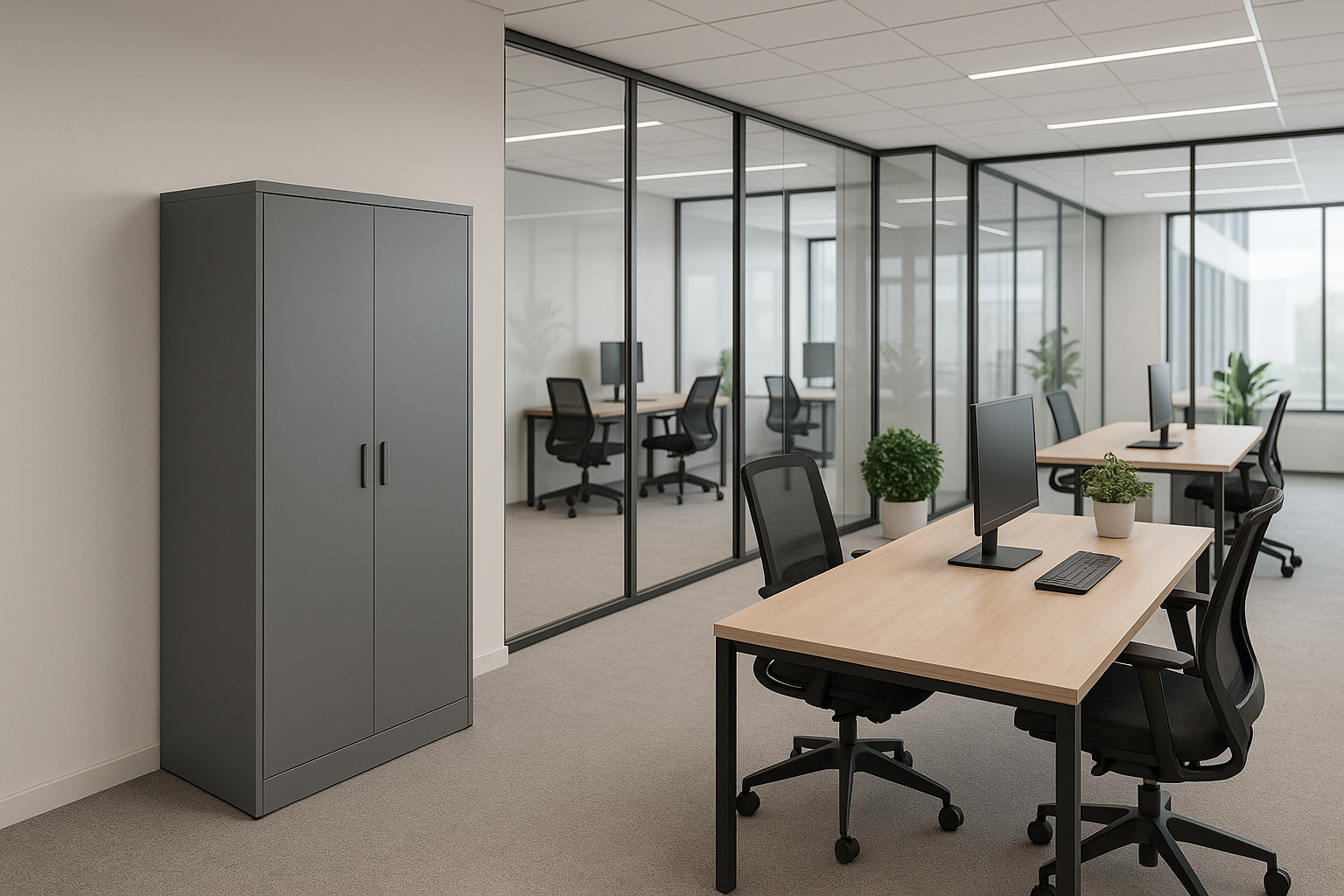
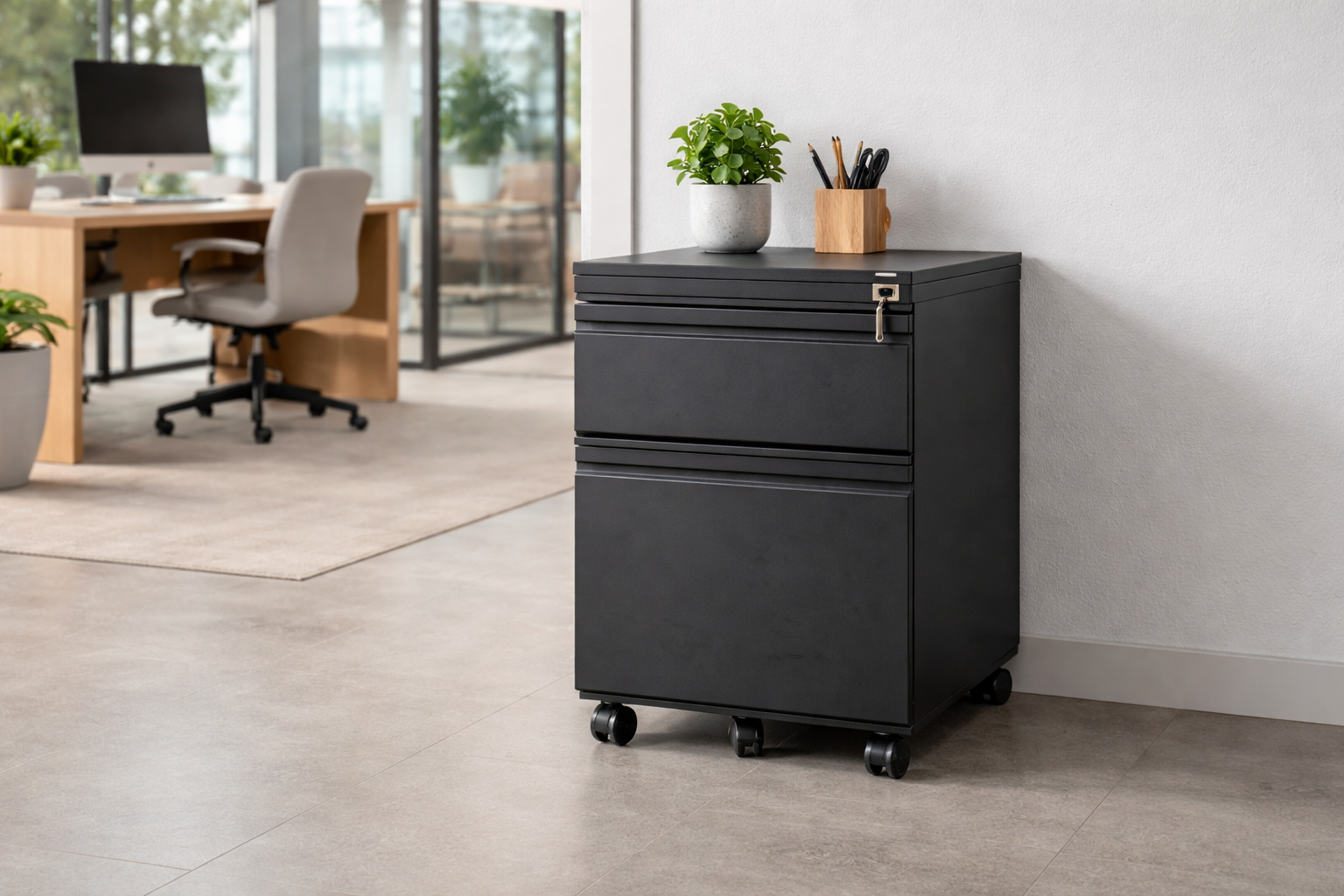
Modern offices no longer operate under fixed layouts. Teams expand, contract, and reconfigure more frequently than ever before. As a result, traditional fixed furniture is being replaced by flexible storage systems that can be relocated, reused, and repurposed across departments. Steel cabinets with compact footprints, modular structures, and mobility options are increasingly favored for this reason.
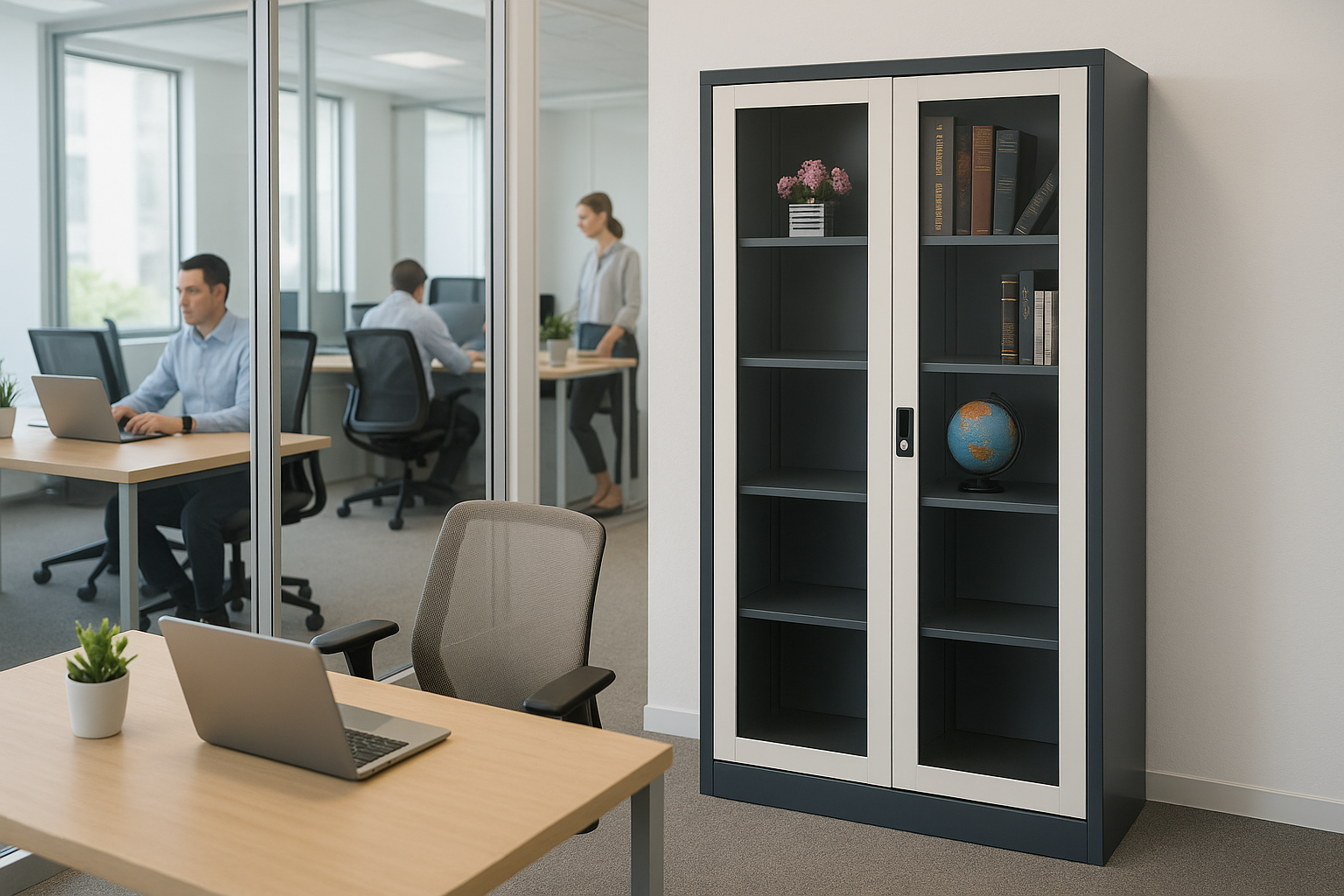
Another key driver is space efficiency. With companies optimizing square footage, storage must support organization without overwhelming the environment. Flexible steel cabinets allow businesses to place storage where it is needed most—near workstations, along shared walls, or inside utility areas—without requiring permanent installation.
Durability also plays a critical role. Flexible does not mean temporary. Commercial buyers expect storage solutions that can withstand frequent movement and long-term use. Steel furniture offers a clear advantage by maintaining structural integrity even after years of repositioning and daily interaction.
Finally, flexibility supports future-proofing. Offices that invest in adaptable storage reduce the need for repeated furniture replacement when layouts change. This not only lowers long-term costs but also aligns with sustainability goals by extending product lifecycles.
As workplace strategies continue to shift, flexible storage solutions are becoming a foundational element of modern office planning—supporting efficiency, durability, and long-term adaptability.

留言
此網站已受到 hCaptcha 保護,且適用 hCaptcha 隱私政策以及服務條款。